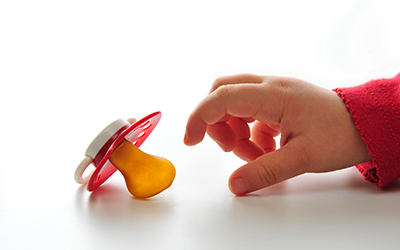
To comfort and pacify, pacifiers can be a sleep saver for some parents. Pacifiers are the first self soothing tool a child can learn to use and can help to provide a sense of calming. Pacifiers have been studied to reduce sudden infant death syndrome (SIDS), keeping infants from sleeping to deeply and stopping breathing. Studies have shown that using a pacifier during the use of needles for blood draws and immunizations, can help ease pain.
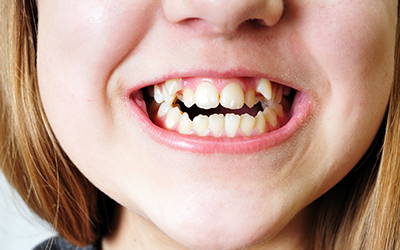
It is suggested that infants mostly use pacifiers to fall asleep. If your child spits out their pacifier while sleeping, do not pop it back in for them unless they wake up crying without it. Be sure to choose a pacifier with a base that is at least an inch and a half across, to prevent any choking hazards. Also, choose one that is one piece, two piece pacifiers run the risk of separating. Check for tears or any sort of weak spots and throw away if these are detected. Ventilation holes in the shield of the pacifier are suggested in case it becomes lodged into the airway. The American Academy of Pediatric Dentistry recommends that children stop using pacifiers by the age of 3 years old. Your child may develop habit forming use of a pacifier and this can lead to issues with space once teeth start to erupt due to the suction effect on the soft upper palate of the mouth. Try to phase out using the pacifier around the age of 6 months if possible, since the cons start to out weigh the pros at this point. Many children do stop using on their own between the ages of 2 to 4 years old. If you struggle with getting your child to quit using a pacifier, consult your pediatric Dentist for advice.
Tips to stop the use of a pacifier with a toddler
- Time it right. Do not start this process during a stressful time
- Wean gradually and create no paci times
- Offer an alternative comforting item such as a chosen stuffed animal or a special blanket
- Praise your child when they make the big kid decision to stop use
- Read your child books like bye bye binky
- Stick to your plan and stay consistent