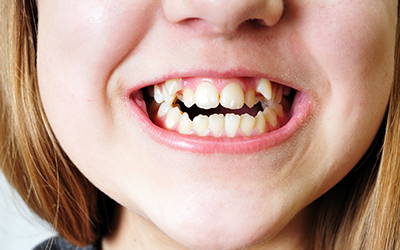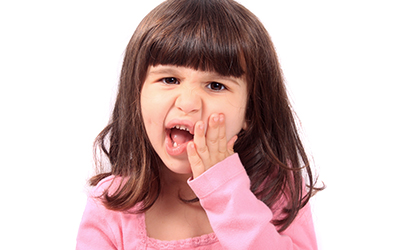
Children are naturally active, and bumps, falls, and sports-related accidents are often part of growing up. While many childhood injuries are minor, a chipped, cracked, or broken tooth should never be ignored. Even when the damage appears small, the tooth may have underlying injuries that require professional evaluation. Knowing what to do immediately after a dental injury can help reduce complications and preserve your child's smile. Routine care at a Lakewood Pediatric Dentistry office also helps families understand how to respond confidently if a dental emergency occurs.
Stay Calm and Assess the Injury
A dental injury can be frightening for both children and parents. Remaining calm helps reassure your child while allowing you to evaluate the situation carefully.
First, check for bleeding, swelling, or signs of injury to the lips, tongue, or cheeks. If your child is bleeding, apply gentle pressure with clean gauze until it slows. A cold compress placed on the outside of the face may help reduce swelling and improve comfort.
After addressing any immediate concerns, contact a Lakewood pediatric dentist as soon as possible. Even a small chip can expose the inner layers of the tooth or increase the risk of future complications.
Understand the Different Types of Damage
Not every dental injury requires the same treatment. A dental examination helps determine the severity of the damage and the most appropriate course of care.
Common types of tooth injuries include:
- Minor chips affecting only the outer enamel
- Cracks that extend deeper into the tooth
- Broken teeth involving larger portions of the crown
- Teeth that become loose after trauma
- Teeth that are partially displaced or completely knocked out
A provider experienced in pediatric dentistry Lakewood families trust can evaluate both baby and permanent teeth to determine whether treatment is needed immediately or if the tooth can be monitored during healing.
Protect the Injured Tooth
Until your child can be seen by a dental professional, taking a few simple precautions can help prevent additional damage.
Encourage your child to:
- Avoid chewing on the injured side of the mouth
- Eat soft foods until evaluated
- Rinse gently with warm water to keep the area clean
- Avoid biting hard foods or ice
- Continue brushing carefully around the injured tooth
If a piece of the tooth has broken off, place it in a clean container and bring it to the appointment if possible. Although not every fragment can be reattached, it may still be helpful during the evaluation.
Baby Teeth and Permanent Teeth Differ
Treatment recommendations depend on whether the injured tooth is a baby tooth or a permanent tooth. Baby teeth are important because they help guide the eruption of permanent teeth and support normal chewing and speech development. However, preserving them requires careful consideration to avoid affecting the developing permanent tooth underneath.
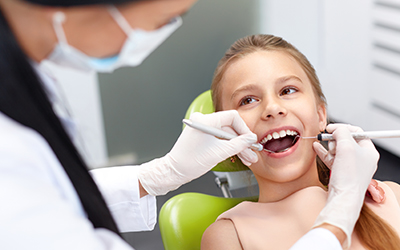
A Lakewood pediatric dentist will evaluate the injury using a clinical examination and, when appropriate, digital dental X-rays to determine whether the tooth, surrounding bone, or developing permanent tooth has been affected.
Preventing Future Injuries
Although accidents cannot always be prevented, parents can reduce the likelihood of dental injuries by encouraging good safety habits.
Helpful preventive measures include:
- Wearing a properly fitted sports mouthguard during athletic activities
- Using helmets for biking, skateboarding, and similar sports
- Childproofing the home to reduce fall hazards for younger children
- Avoiding chewing on hard objects such as ice, pens, or hard candy
Routine preventive dentistry, regular dental exams, and discussions about injury prevention are all valuable parts of comprehensive treatment at a Lakewood pediatric dentistry office.
Prompt Care Makes A Difference
Many dental injuries look less serious than they actually are. A small crack may weaken the tooth over time, while an unnoticed injury to the tooth's nerve or supporting structures can lead to future complications if left untreated.
Whether your child experiences a minor chip or a more significant dental injury, prompt evaluation is the best way to protect their oral health. Through comprehensive pediatric dentistry Lakewood families rely on, dental professionals can assess the injury, recommend the most appropriate treatment, and monitor healing as your child grows. By partnering with a trusted Lakewood pediatric dentist and maintaining regular preventive care, parents can help ensure healthy, confident smiles for years to come.
Sources: